By Eneojo Herbert Idakwo
There is a quiet revolution taking shape in Nigeria’s livestock economy. It does not announce itself with fanfare. It moves through policy papers, veterinary conferences, state pilot projects, and cautious conversations among herders and investors. Yet its implications are far-reaching. The Federal Government has set a target to double national milk production from roughly 700,000 metric tonnes to 1.4 million metric tonnes. Beneath that figure lies a deeper shift: a planned transition from open grazing to modern ranching.
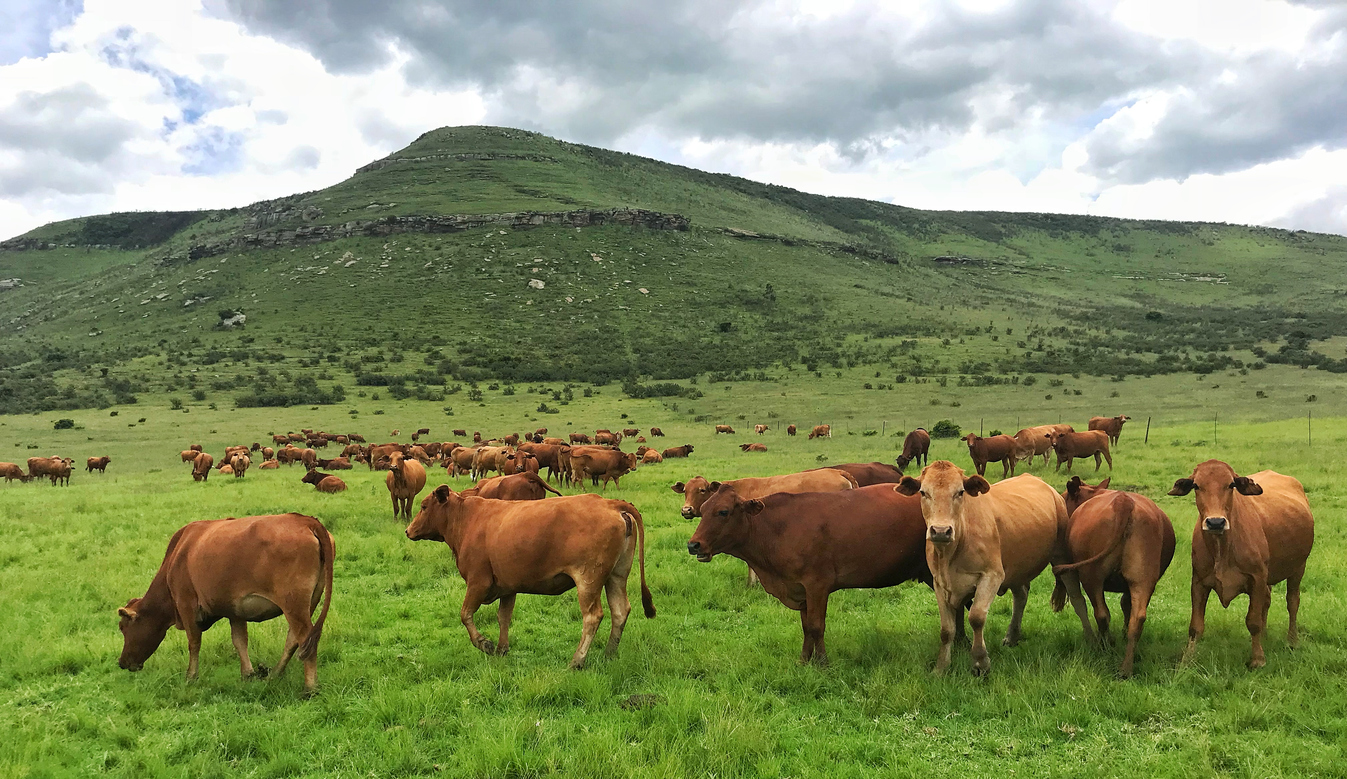
For decades, livestock production in Nigeria has relied largely on transhumance. Cattle move across states in search of pasture and water, often straying onto highways and cultivated farmland. The result has been low productivity, mounting insecurity, and persistent tension between pastoralists and crop farmers. Open grazing has also limited Nigeria’s ability to build a structured, export-oriented livestock value chain.
The new policy direction seeks to reverse this pattern. Through the National Livestock Growth Acceleration Strategy and related reforms, the Federal Ministry of Livestock Development is pushing for settled ranching systems supported by improved feed, water infrastructure, breeding programs, and traceability mechanisms. The ambition extends beyond food security. By 2035, government projections place the livestock economy at a potential value of 74 billion dollars if properly structured and industrialised.
Milk is at the centre of this ambition. Nigeria remains one of the world’s largest importers of dairy products. Local output falls short of domestic demand, forcing processors to rely heavily on imported milk powder. Doubling production would reduce import bills, strengthen rural incomes, and stimulate investment in cold chain logistics, feed mills, veterinary services, and processing plants. It would also create space for Nigeria to compete under the African Continental Free Trade Area.
Yet there is a critical element that rarely receives sufficient public attention: veterinary science.
At a recent Veterinary Leadership Summit, government officials called on veterinarians to anchor the transition through science-driven genetics and sound animal health management. The appeal was not rhetorical. Ranching without a strong veterinary backbone risks replicating the same inefficiencies in a different setting.
Nigeria’s average milk yield per cow remains significantly below global benchmarks. Indigenous breeds are hardy but produce modest quantities of milk. Structured ranching opens the door to cross-breeding programmes that combine resilience with higher yields. Artificial insemination, disease surveillance, vaccination schedules, and feed optimisation become more feasible when cattle are settled rather than constantly on the move.
Animal health is also directly linked to trade. Under AfCFTA protocols, sanitary and phytosanitary standards are non-negotiable. Export-ready beef and dairy products must meet strict disease control requirements. Foot-and-mouth disease, bovine tuberculosis, and other endemic conditions cannot be managed effectively in a system where herds traverse vast, unregulated corridors. Ranching enables traceability. Traceability builds market confidence.
There is also a security dividend. Farmer-herder clashes have inflicted heavy economic and social costs on rural communities. While conflict has complex roots, uncontrolled grazing routes have been a recurring flashpoint. A structured ranching system reduces unpredictable cattle movement and encourages negotiated land use arrangements. It allows states to plan livestock clusters with defined boundaries, water access, and security support.
The economic ripple effects are considerable. Modern ranches require feed production, veterinary clinics, extension services, mechanised hay processing, and waste-to-energy systems. They create opportunities for youth employment, particularly in northern states where livestock is already embedded in the social fabric. They also encourage private capital participation, since fixed infrastructure provides a clearer investment horizon than mobile herds.
However, the transition will not be simple. Many pastoral families depend on mobility as a risk management strategy in the face of climate variability. Any shift to ranching must therefore include access to credit, land tenure clarity, water development, and sustained extension services. Without these, policy risks remaining aspirational.
There is also the question of scale. Nigeria’s cattle population runs into tens of millions. Converting even a fraction of that into structured ranch systems requires coordinated state and federal action. Pilot projects must move beyond demonstration sites to commercially viable clusters linked to processors and markets.
Still, the direction is unmistakable. The era of cattle on highways is drawing to a close. In its place stands a vision of structured livestock production anchored in science, supported by veterinarians, and integrated into regional trade networks.
If properly executed, the great grazing transition will do more than double milk output. It will redefine rural productivity, reduce conflict, and position Nigeria as a serious livestock economy within Africa. The quiet revolution may yet prove to be one of the most consequential shifts in the nation’s agricultural history.