By Eneojo Herbert Idakwo
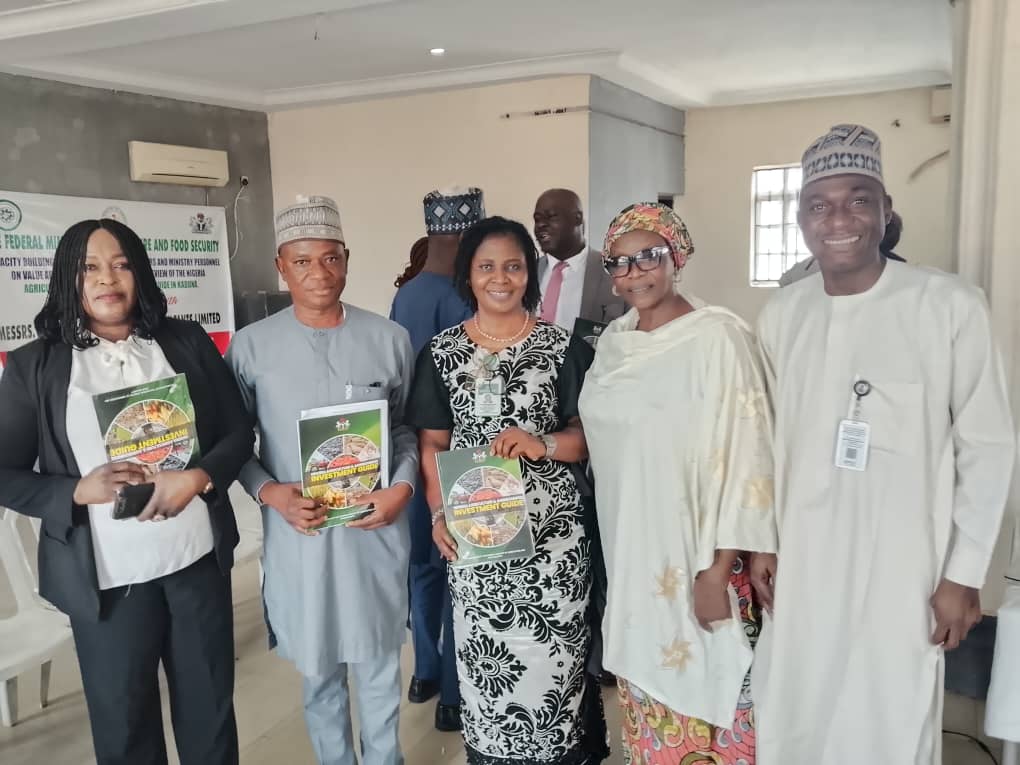
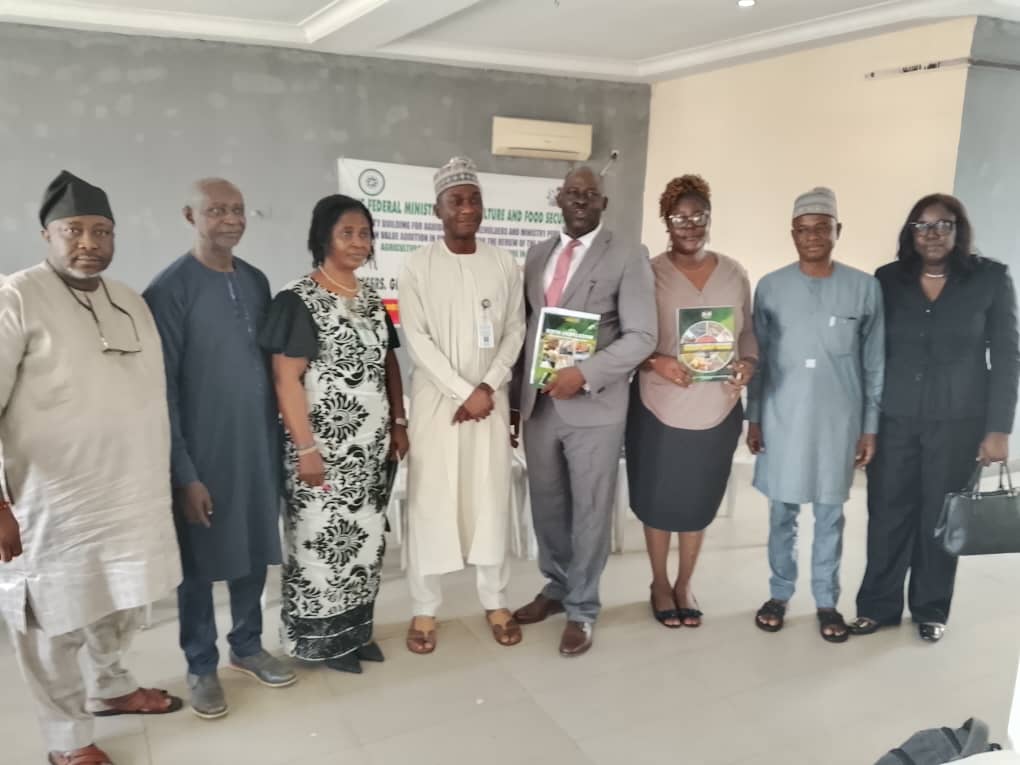
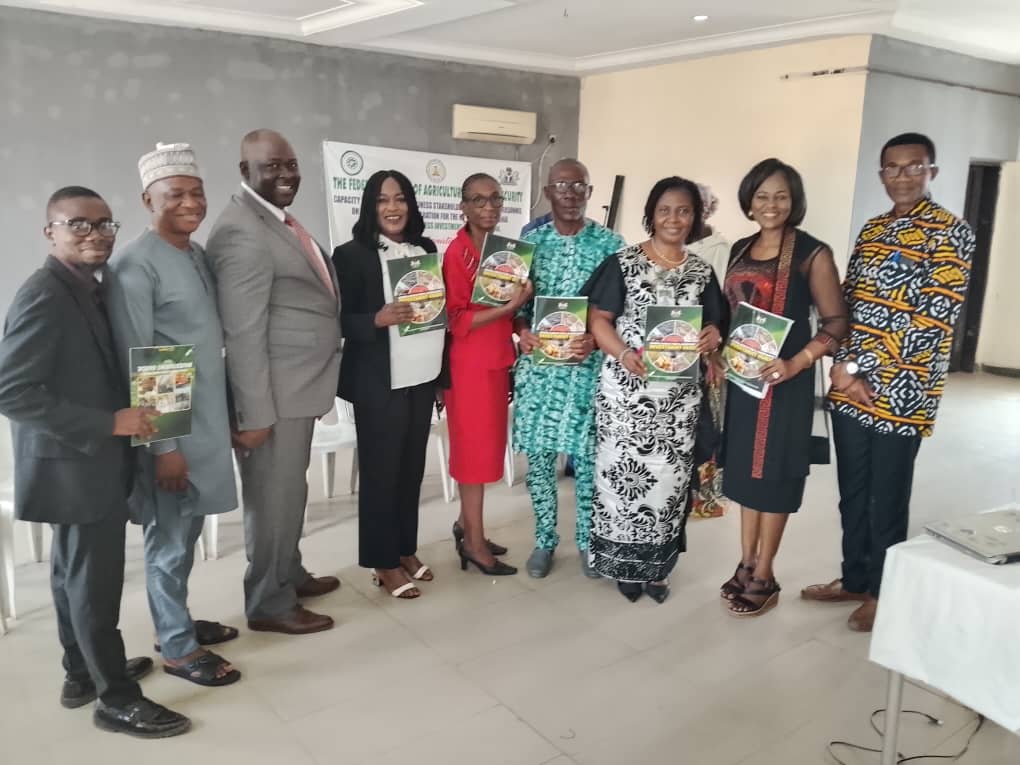
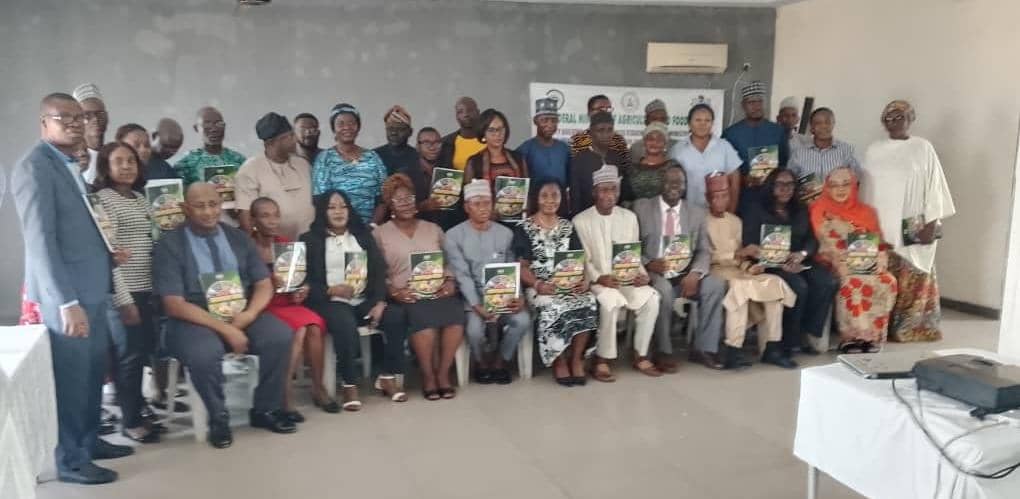
In a renewed push to unlock Nigeria’s vast agricultural potential and attract greater private sector participation, the Federal Ministry of Agriculture and Food Security (FMAFS) has commenced a series of high-level capacity-building sessions aimed at strengthening agribusiness value chains and refining the forthcoming Nigeria Agricultural and Agribusiness Investment Guide (NAAIG). The latest in this initiative took place on Tuesday, September 7, 2025, in Nasarawa State, bringing together a cross-section of agribusiness stakeholders, ministry officials, and development partners under one roof.
The event, themed “Value Addition in Preparation for the Review of the Nigeria Agricultural and Agribusiness Investment Guide,” was organized in collaboration with Messrs. Green Dev. Engineering Consultants, and signals a clear intent by the renewed hope Government of President Tnubu to deepen the commercialization and competitiveness of Nigerian agriculture.
Charting a New Course for Agribusiness Growth
In his welcome address, Mr. Iwara E. Bassey, Director, Agribusiness and Market Development at the Ministry, ably represented by Mrs Ipinlaiye Bunmi Abigael, Assistant Director & Head of -Agri business Investment Support Service Division, underscored the strategic importance of the training as part of the government’s broader policy shift from subsistence agriculture to a market-driven, investment-oriented agribusiness ecosystem.
“One of the cardinal reforms in the agricultural sector in Nigeria is making agriculture a money-making business away from the primordial approach of being a development programme,” Mr. Bassey emphasized. “This reform has ushered the concept of commodity value chain as a development strategy designed to empower smallholder producers, ensure processors have good quality raw materials, and that consumers enjoy products with satisfaction.”
The statement reflects a growing consensus within policy circles that Nigeria’s agricultural transformation must be rooted in value addition, innovation, and effective market linkages, not merely in primary production.
Building Capacity for Value Addition
The capacity-building session focused on enhancing the understanding and technical capabilities of participants across the agricultural value chain — from producers and processors to marketers and policymakers. Discussions centered on improving product quality, promoting local processing, and building export readiness for agricultural commodities where Nigeria holds comparative advantage.
Mr. Bassey reaffirmed the Ministry’s commitment to developing rural infrastructure, promoting processing clusters, and enhancing marketing systems that will open new frontiers for food security, employment generation, and poverty reduction.
“The Ministry is committed to improving agricultural value chains to unlock value for our farmers,” he noted. “We are providing interventions in different commodity chains to boost production, processing, storage, and marketing — all geared toward increasing trade and investment opportunities, foreign exchange earnings, and rural prosperity.”
Towards a Robust Investment Guide for the Future
The Nigeria Agricultural and Agribusiness Investment Guide, first published in 2021, was conceived as a one-stop reference compendium for investors seeking reliable information on opportunities, resources, and procedures for engaging in Nigeria’s agribusiness sector. The ongoing review process, according to the Ministry, aims to update data, expand coverage, and integrate new policy directions aligned with the national agenda for economic diversification.
The updated Guide will detail viable investment opportunities across priority commodities, such as rice, maize, cocoa, cashew, oil palm, cotton, ginger, and livestock, while highlighting Nigeria’s regional comparative advantages, infrastructure developments, and incentives for investors.
“Through this publication,” Mr. Bassey stated, “the Ministry aims to enhance access to investment information that will improve agricultural policy planning and implementation by government and stakeholders. Our goal is to provide the enabling environment that boosts the efforts of farmers, entrepreneurs, and investors alike.”
Public-Private Synergy at the Core
Experts at the event noted that agribusiness growth hinges on effective collaboration between government and private players, supported by technical capacity, access to finance, and strong data systems. Green Dev. Engineering Consultants, the technical partner on the project, expressed confidence that the outcome of the workshop would strengthen the framework for private investments and encourage foreign direct investments (FDIs) into Nigeria’s agricultural space.
The training also highlighted the importance of evidence-based data collection, harmonization of state-level agricultural resources, and improved extension linkages to support the modernization of value chains, key aspects to be incorporated in the revised Guide.
A Step Toward Agricultural Industrialization
Beyond its immediate objective, the Nasarawa session aligns with Nigeria’s long-term vision of agricultural industrialization — a process that transforms raw farm produce into high-value goods capable of competing in regional and international markets. This approach not only diversifies the economy but also fosters resilience against global shocks, as seen in food and fertilizer supply disruptions in recent years.
Stakeholders agreed that value addition, through processing, branding, and export competitiveness, remains the missing link in maximizing Nigeria’s agricultural wealth. Strengthening this link, they argued, would drive inclusive growth and rural transformation.
A Foundation for the Future
As the curtains closed on the training, participants expressed optimism that the capacity-building initiative will catalyze new partnerships and strengthen Nigeria’s agricultural investment framework. With the revision of the Agricultural and Agribusiness Investment Guide underway, the Federal Ministry of Agriculture and Food Security appears poised to reposition Nigeria as a leading agribusiness investment destination in Africa.
In Mr. Bassey’s words, the task ahead requires collaboration and commitment:
“I have no doubt that this event will achieve the aim for which it was intended and provide ample ground to step up investment development in this very important sector of the economy. I enjoin all of you to key into this avenue to boost your agribusiness capabilities.”
In her closing remarks, Mrs. Ipinlaiye Bunmi Abigael, Assistant Director & Head-Agri business Investment Support Service Division, One of the Five Divisions making up the Agribusiness and Market Development Department (ABM)of the Ministry of Agriculture and food security, she called on all the stakeholders to come together to engender robust boost in the business development of the Agriculture sector of the economy, she extended a hand of fellowship to other ministries with specific reference to Nigeria investment promotion commission to partner in promoting the Agribusiness activities.
The event closed with renewed enthusiasm among participants to champion value addition in their various agricultural ventures, a crucial step toward realizing the full promise of Nigeria’s agribusiness revolution.